Supervisor: Prof. Bernd Hanisch
Editing: Matthias Koch, Axel Warg
Software: VVVV Gamma
Python Runtime: Tebjan Halm
Planet 9 was part of the project »Unmögliche Räume« at Burg Giebichenstein University of Art and Design.
"Planet 9" is an interactive installation that allows users to design a ninth planet in our solar system. Scientists believe that such a ninth planet may actually exist. Since 2016, it has been hypothesized that a mysterious celestial body, with its immense mass, influences the orbits of several dwarf planets far beyond the asteroid belt. The likelihood of the existence of a ninth planet is estimated to be over 90%. However, this Planet 9 is believed to be 700 times further from the sun than Earth, making it reflect little to no light and thus extremely difficult to detect with current technology.
Yet, our scientists continue their pursuit of Planet 9. Until we capture a confirmed image of its surface, there are infinite possibilities for what this celestial body could look like. This is where the "Planet 9" installation comes into play. Using the latest technologies, we unleash our creativity to envision our own versions of the ninth planet in our solar system.
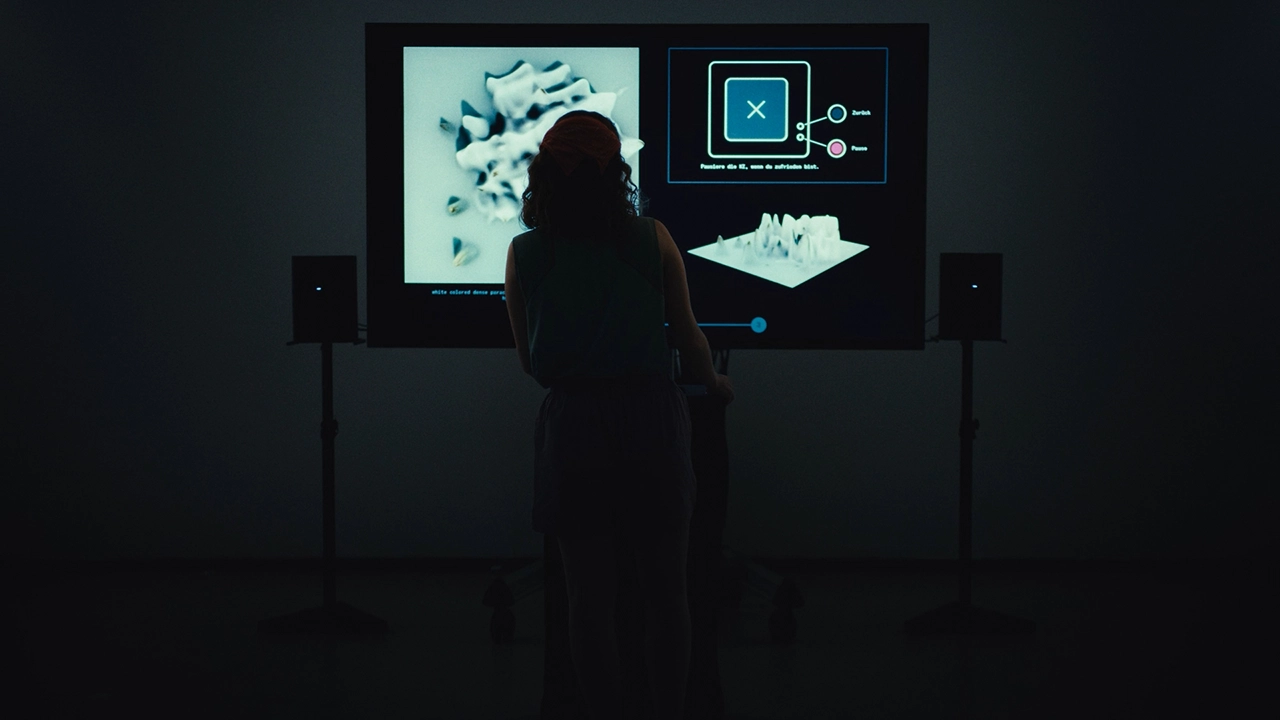
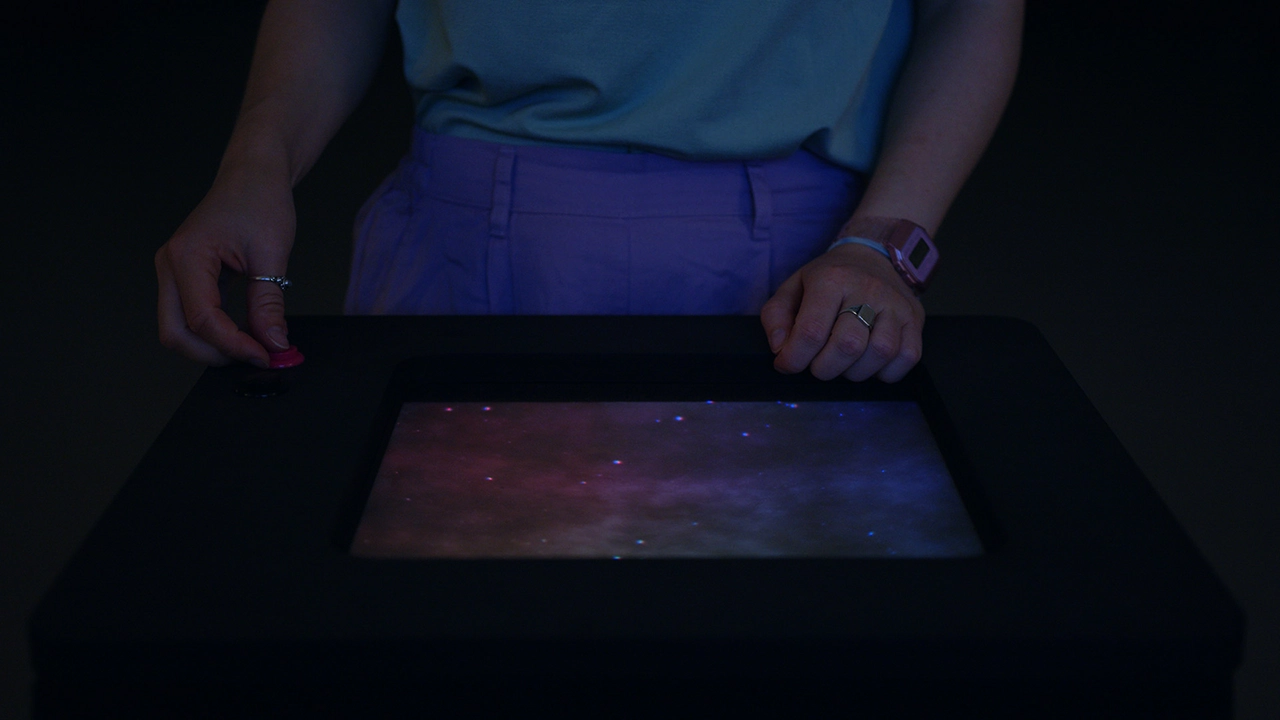
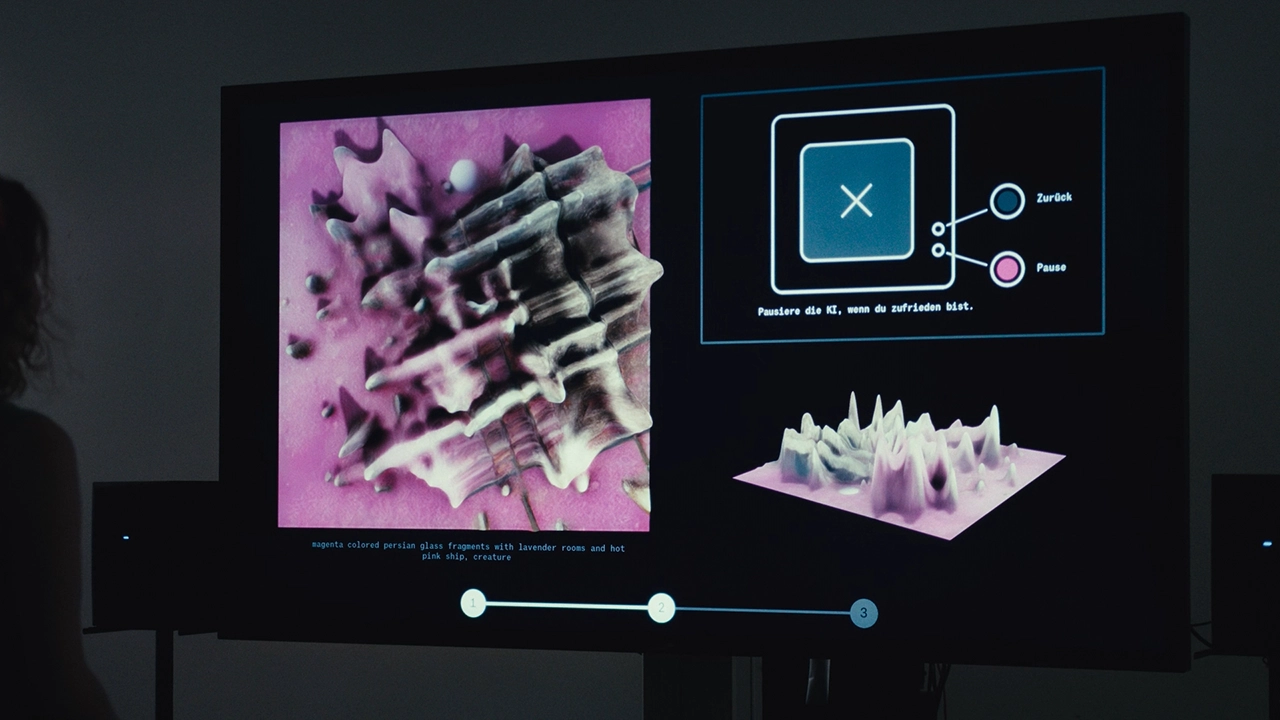
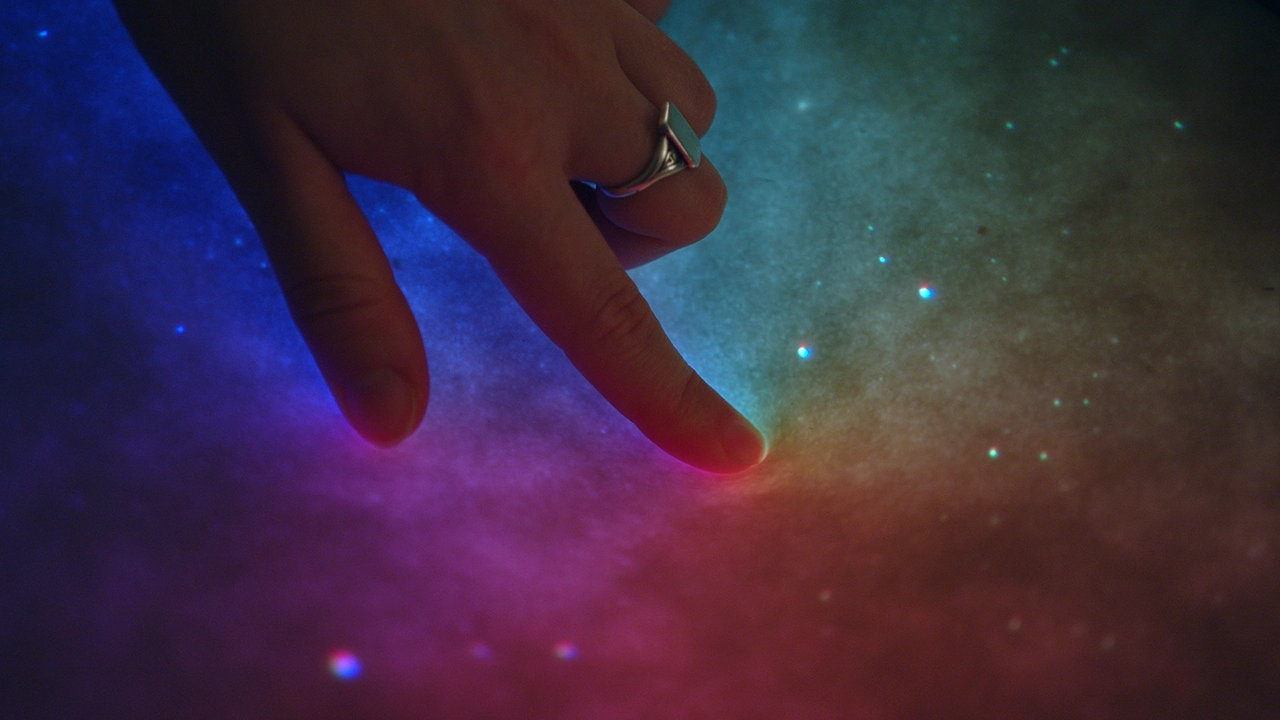
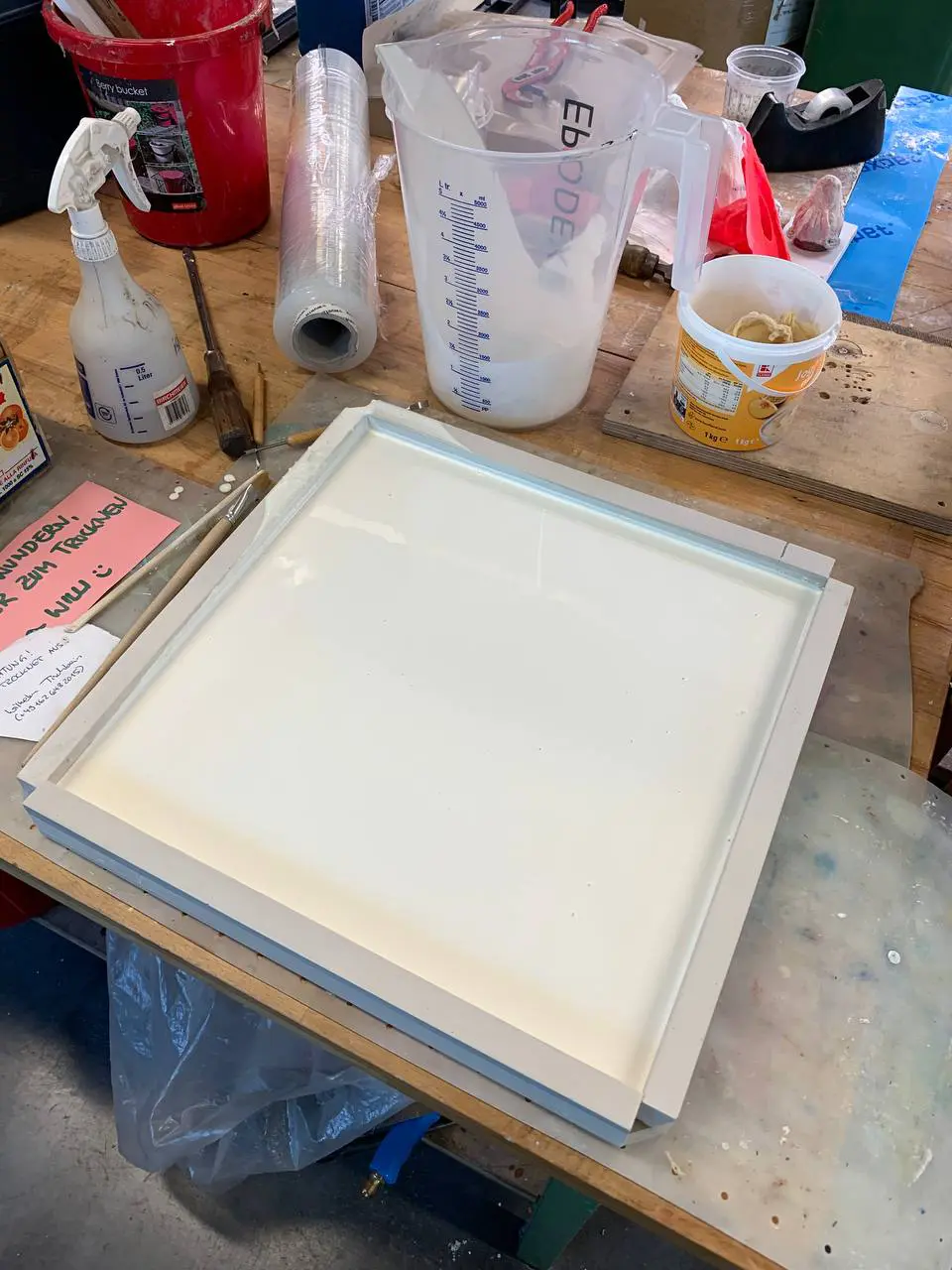
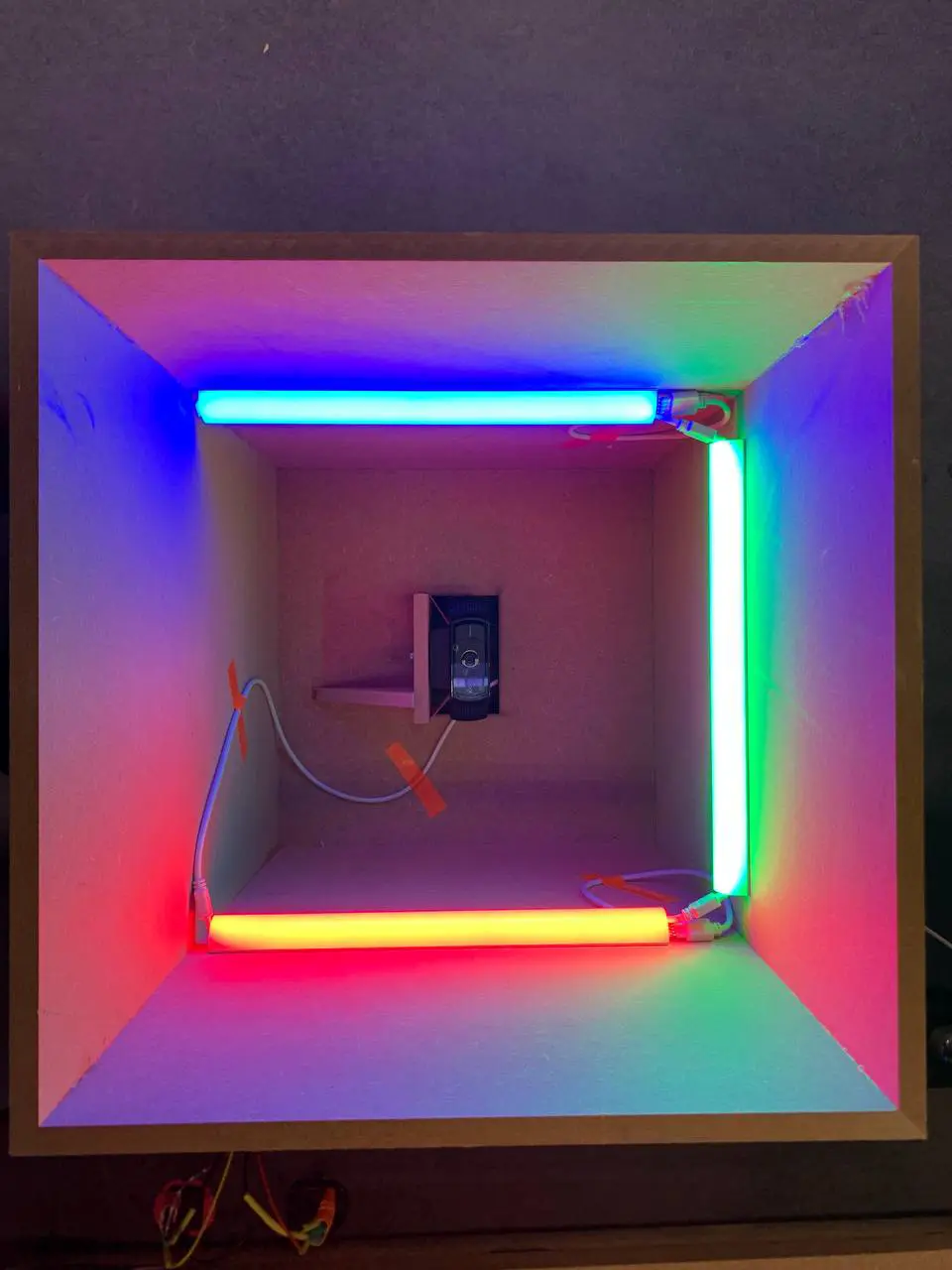
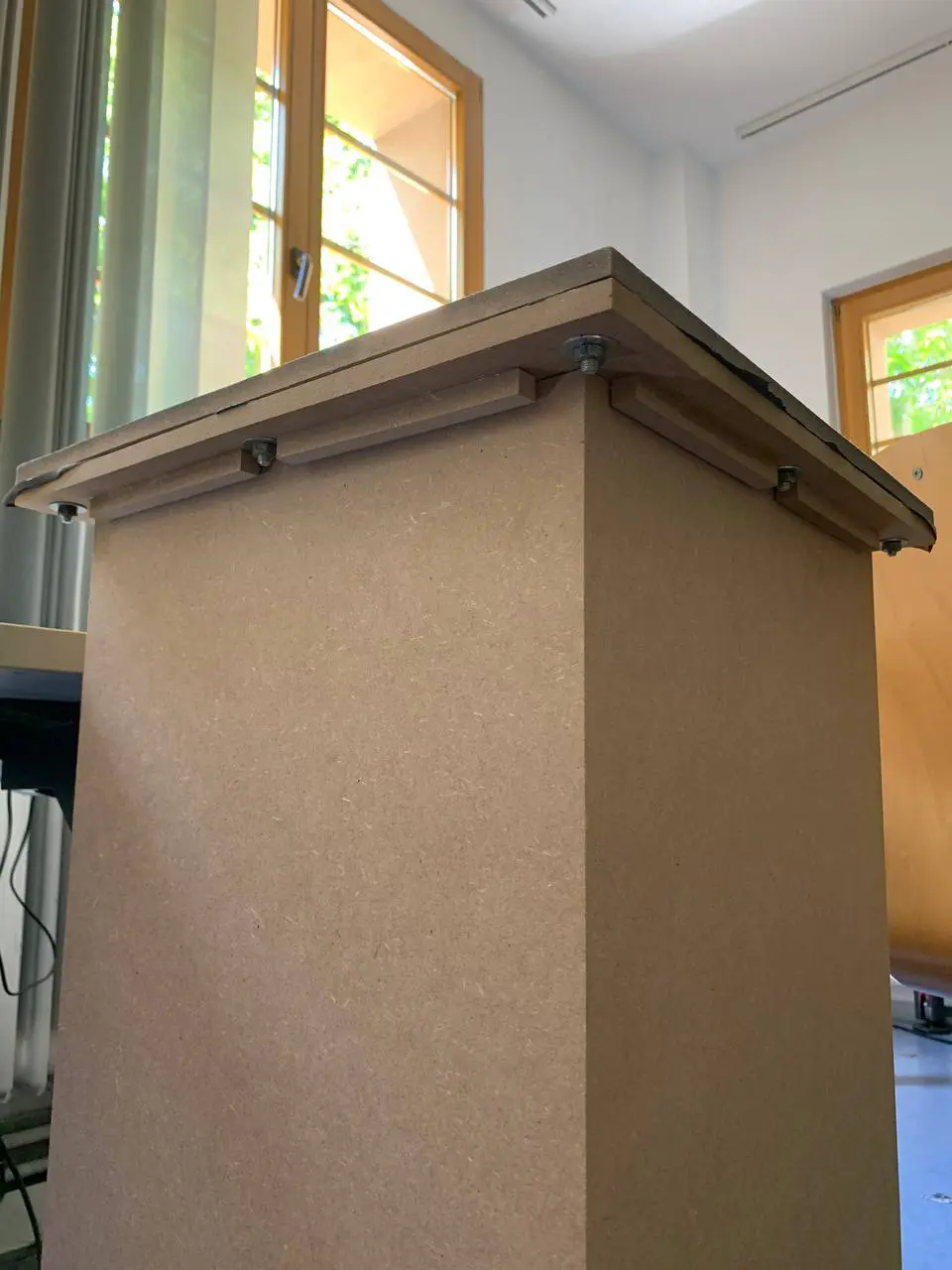
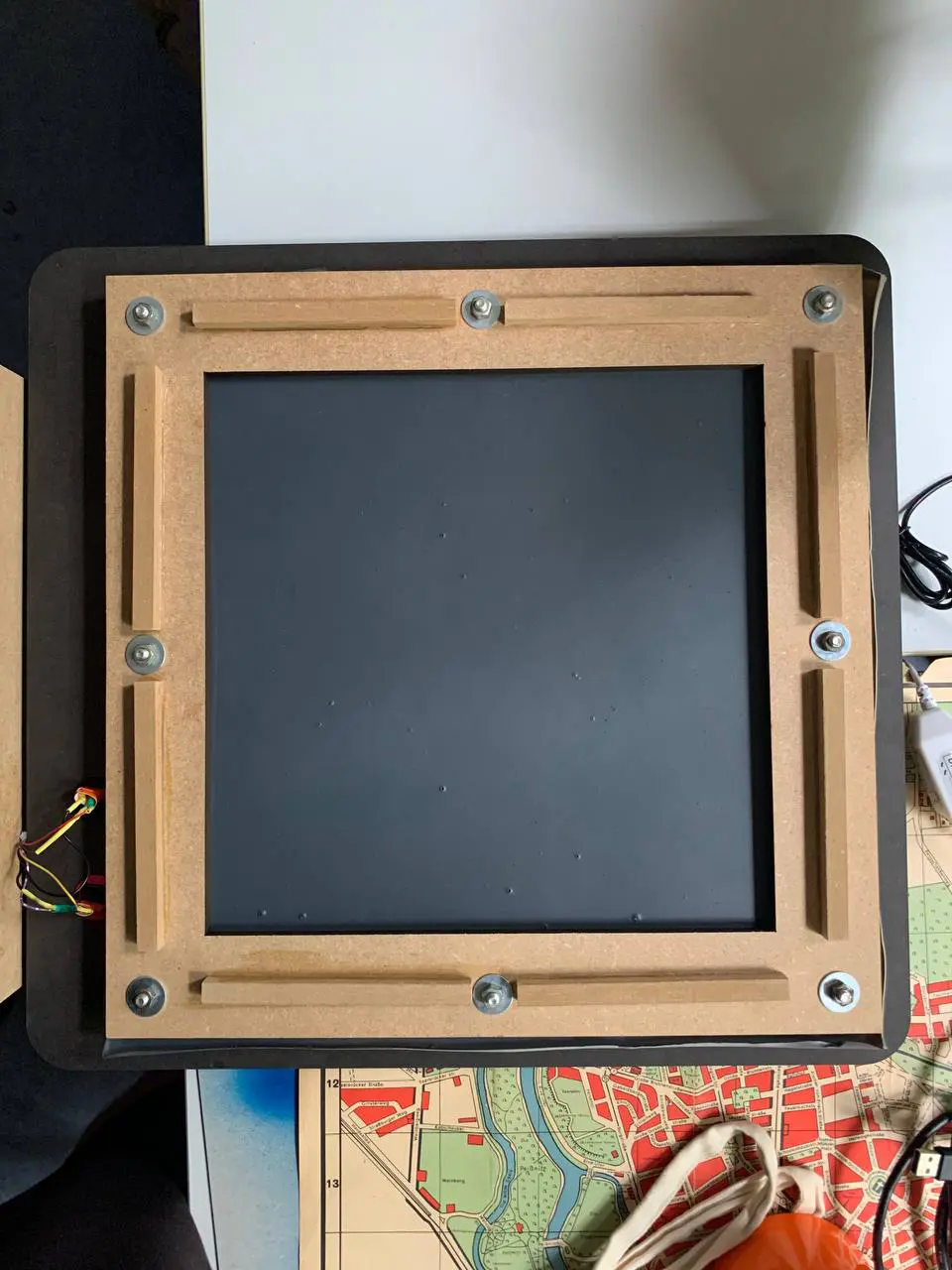
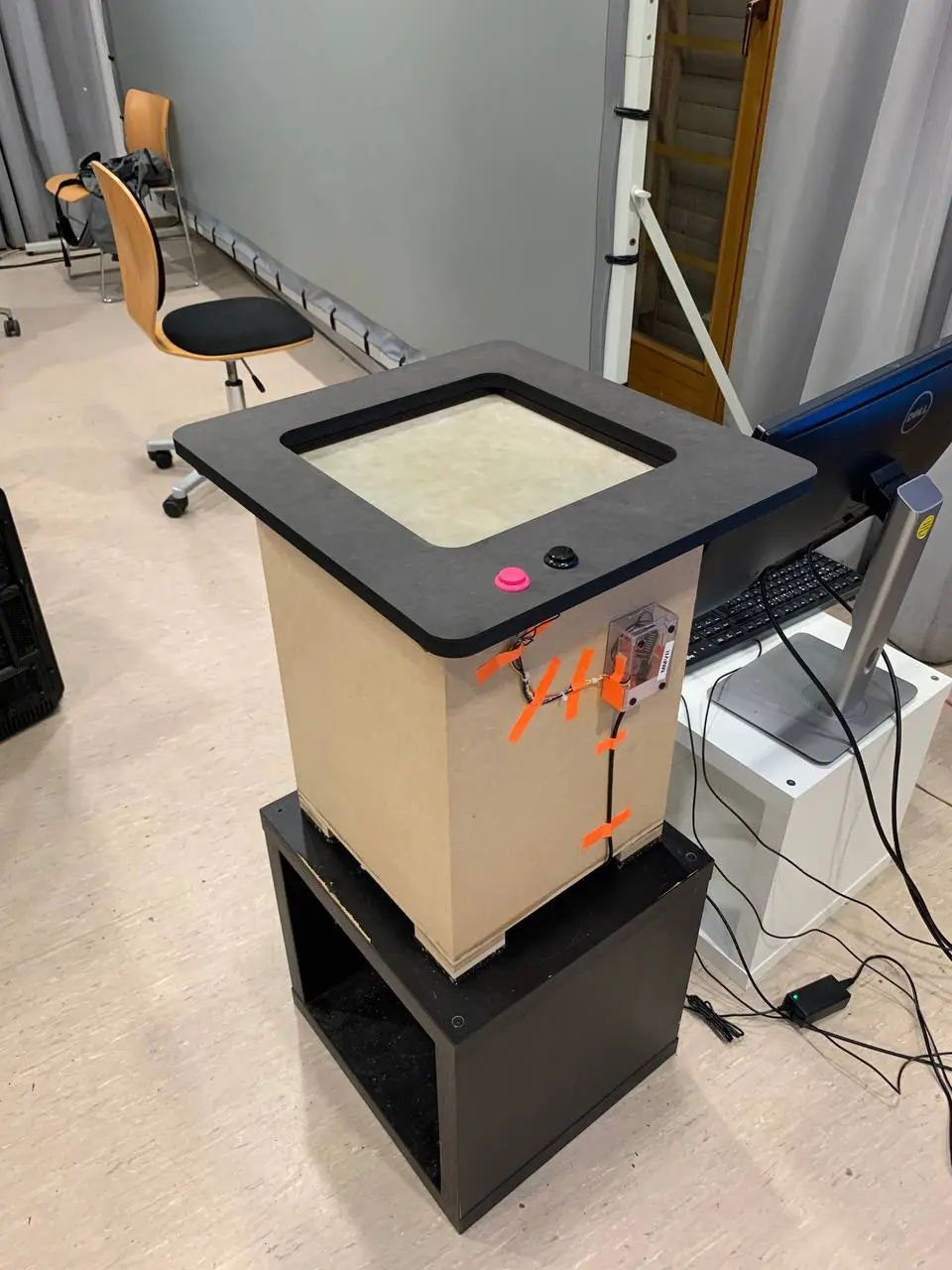
By pressing into a latex surface, users can shape their own planetary landscape, which is then interpreted by artificial intelligence. This experimental interplay between users and the computer generates endless variations of what a ninth planet might look like. What is particularly exciting is observing how users engage with AI in an unfamiliar way and witnessing their reactions to this collaborative process.
**Nominated for the Giebichenstein Designpreis 2024**
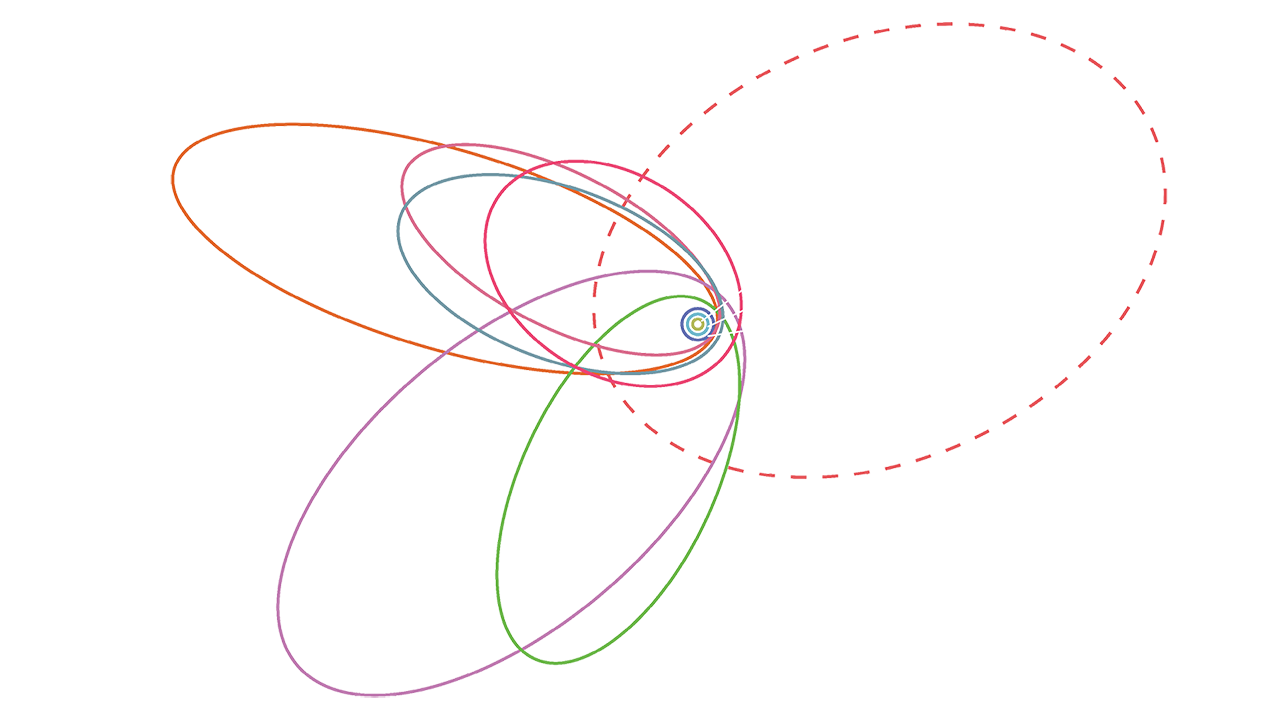
"Planet 9" is an interactive installation that allows users to design a ninth planet in our solar system. Scientists believe that such a ninth planet may actually exist. Since 2016, it has been hypothesized that a mysterious celestial body, with its immense mass, influences the orbits of several dwarf planets far beyond the asteroid belt. The likelihood of the existence of a ninth planet is estimated to be over 90%. However, this Planet 9 is believed to be 700 times further from the sun than Earth, making it reflect little to no light and thus extremely difficult to detect with current technology.
Yet, our scientists continue their pursuit of Planet 9. Until we capture a confirmed image of its surface, there are infinite possibilities for what this celestial body could look like. This is where the "Planet 9" installation comes into play. Using the latest technologies, we unleash our creativity to envision our own versions of the ninth planet in our solar system.
By pressing into a latex surface, users can shape their own planetary landscape, which is then interpreted by artificial intelligence. This experimental interplay between users and the computer generates endless variations of what a ninth planet might look like. What is particularly exciting is observing how users engage with AI in an unfamiliar way and witnessing their reactions to this collaborative process.
**Nominated for the Giebichenstein Designpreis 2024**


Supervisor: Prof. Bernd Hanisch
Editing: Matthias Koch, Axel Warg
Software: VVVV Gamma
Python Runtime: Tebjan Halm
Planet 9 was part of the project »Unmögliche Räume« at Burg Giebichenstein University of Art and Design.